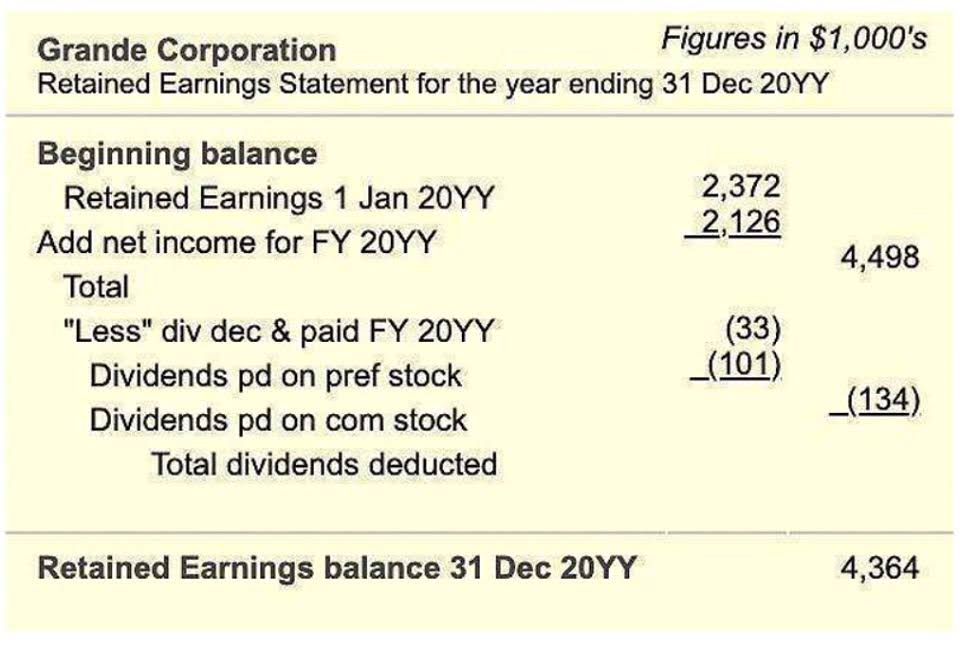
If the company never makes it out of the red with their finances, then it creates the possibility of never earning the expected dividends. Although this investment option is a low-risk situation, it shouldn’t be confused with a no-risk scenario. You can still lose a lot of money by going in this direction.
How to Issue Stock
Those are the companies that reward their investors with the most dividends. A private placement is when a company sells shares of stock to a small group of accredited investors. Private placements are one of the disadvantages of issuing stock is that typically used by companies that are looking to raise a small amount of money quickly.
Increased Taxes
Only the people running the company would have to face the consequences. The only thing you should be worrying about is the company’s health. As long as it is earning and moving on an upward trend, your investment and financial future is safe. When you issue stock, you’re selling portions of ownership over your company. That means you are considered to own less of your company, a principle called “diluting ownership.” As such, you’ll need to share profits and growth with your shareholders.
- If you are in the market to purchase a big-ticket item, then the value of your common stock can be used as collateral for a loan or a line of credit.
- Lastly, the company’s goals for the offering need to be considered.
- The best thing about issuing bonds is that everyone knows the terms of the bond, and so it’s easy to understand the obligation that the business assumes with bonds.
- If the company expects a lot of trading activity, then they will set a lower price so that more people can buy the stock.
- This advantage can be quite lucrative if the equity value of the common stock begins to climb.
- When the market is doing well, it is typically a sign that investors are confident in the economy and are willing to take on more risk.
Attract Investors
- The main advantage of a public offering is that it allows a company to raise a large amount of capital.
- Stockholders with common stock or at the bottom of the priority ladder for the ownership structure.
- One of the greatest disadvantages of equity financing is the fact that any earnings must then be shared with all holders of that equity.
- By issuing shares of stock, you’re able to avoid those liabilities.
- Capital gains and dividends are two ways to earn from stocks.
- Long-term debt, especially bank debt, may come with multiple restrictions, or covenants, stipulating how the money is to be spent or using certain corporate assets as collateral.
Investors may be more skeptical of preferred stocks compared to bonds because they have a lower claim on company assets in the event of liquidation. Related to this higher risk, preferred stocks usually pay more, resulting in a higher cost to the company. Institutions, however, do like to invest in preferred stocks because, unlike the interest earned on bonds, 70% of dividend income can be excluded from corporate income tax. Preferred https://www.bookstime.com/articles/real-estate-accounting stockholders also have partial ownership of the company, however, these rights are limited, as preferred stockholders can’t vote. Preferred stockholders have a priority over common stockholders when it comes to getting paid.
- A SPO is when a company sells additional shares of stock that it has already issued.
- The main advantage of a private placement is that it can be completed quickly and without the expense of an IPO.
- These shares can also pay out a dividend, though payment amounts and the timing for when they arrive is not fixed the way it is with preferred shares.
- That’s why it is an appealing option for an investor who seeks stability with their future cash flows.
- If you get excited about the idea of putting your money to work in a high-growth company, then you shouldn’t expect the benefit of dividends when you own preferred stock.
Pros of issuing stock Why do companies issue stock
This might anger existing shareholders and result in a fight for corporate control. The advantages and disadvantages of common stock must be carefully considered, just as they are with any other investment. You have the potential to gain a lot of wealth from this activity, but there is always a risk of loss to manage. That’s why I diversified portfolio that includes these investments is a balanced way to provide for your future. Online traders make it simple and inexpensive to trade common stocks from major exchanges around the world. You can work with brokers who allow margin trading and short selling for eligible listings.
Takeover Potential
The sarbanes-Oxley act of 2002 introduced new rules and regulations governing the issuance of stock. These rules are designed to protect investors by ensuring that companies disclose all material information about the stock issuance. SmartAsset Advisors, LLC (“SmartAsset”), a wholly owned subsidiary of Financial Insight Technology, is registered with the U.S. Securities and Exchange Commission as an investment adviser. We do not manage client funds or hold custody of assets, we help users connect with relevant financial advisors. Throughout the process, legal assistance is an absolute necessity, from making decisions on how to value your stock to drafting agreements and documents.
- Obviously, the downside to selling equity is increased the more profitable the firm.
- The downside of an IPO is that it can be very expensive and time-consuming to complete.
- Preferred stocks typically receive evaluation and ratings from today’s major credit rating agencies.
- Although the lack of voting rights with preferred stock is a disadvantage for investors, it is an advantage for the business.
- The sarbanes-Oxley act of 2002 introduced new rules and regulations governing the issuance of stock.
- Publicly traded companies can offer shares of preferred stock or common stock to investors to raise capital.
Deciding Whether To Issue Stock

If there is high demand for the stock, then the price will be set higher. The company and its investment bankers will also look at what similar companies assets = liabilities + equity are selling for and try to price the stock accordingly. Stock exchanges bring together buyers and sellers of stocks and other securities. They provide a place for investors to trade securities in a fair, regulated environment.

Cost
Frequent price swings of several percentage points could happen in a single trading session. Not only is it possible for your portfolio to gain a substantial amount in a short period, but there is also the potential to lose everything in a single day. If you decide to trade on margin, that means a margin call and the forced liquidation of stocks could happen at a significant loss. If you need something more conservative than preferred stock, then your best option is either a certificate of deposit or a money market account. Of course, issuing stock for your business does come with its drawbacks as well.